Eye Exams for the Dearborn Heights Community
At Your Eye Doc, comprehensive eye exams aim to provide a complete evaluation of your eye health. We proudly provide eye exams for patients of all ages, including infants as young as 3 months old. From early development through age-related changes, we ensure accurate, personalized care supports you at every stage of life.
What Is a Comprehensive Eye Exam?
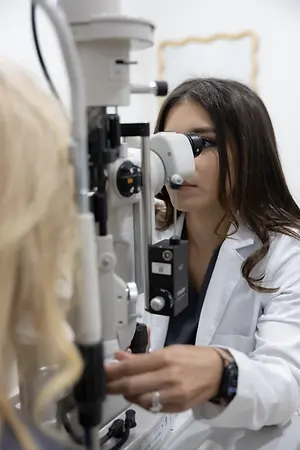
A comprehensive eye exam is a detailed assessment of your vision and your overall eye health. While vision testing determines how clearly you see, a full exam goes further by evaluating the internal and external structures of your eyes. This includes examining the retina, optic nerve, and cornea, as well as measuring eye pressure, to detect early signs of eye conditions.
Unlike quick retail exams, comprehensive eye care focuses on prevention, early diagnosis, and ongoing management. This allows us to identify concerns such as glaucoma, diabetic eye disease, and other conditions before symptoms become noticeable.
What to Expect at Your Eye Doc
Your visit is designed to be thorough and easy to understand. Each comprehensive eye exam includes:
-
A review of your medical history and any changes in your vision
-
Visual acuity testing to determine how clearly you see
-
Evaluation of eye coordination and focusing ability
-
Advanced imaging to assess the retina and internal eye structures
-
Measurement of eye pressure using comfortable, no “air puff” technology
-
Detailed analysis to detect early signs of eye conditions
Once your exam is complete, we walk you through your results and provide clear, personalized recommendations based on your needs.

Eye Exams for All Ages, Including Infants
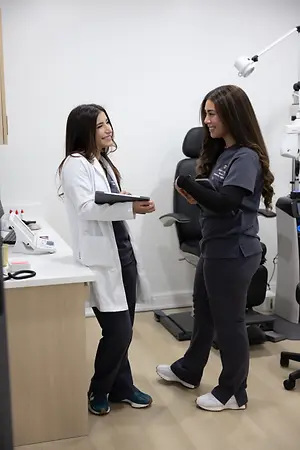
Comprehensive eye care starts early. We provide eye exams for patients of all ages, including infants as young as 3 months, to help monitor visual development from the very beginning. Early evaluations can identify potential concerns before they impact learning or daily life.
As patients grow, routine exams continue to play an important role in maintaining healthy vision. From pediatric care to adult eye health and beyond, we adapt our approach to meet your needs at every stage of life.
Advanced Technology for Accurate Results
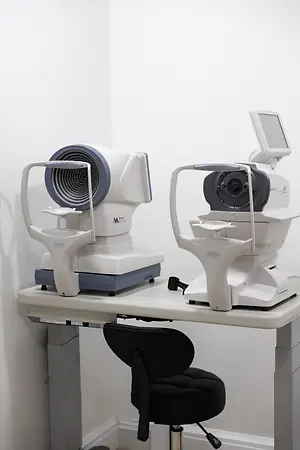
Your eye health deserves a reliable evaluation. That’s why we use advanced diagnostic technology to support every comprehensive eye exam, including:
- Topcon TEMPO for detailed visual field testing
- Maestro OCT and fundus imaging for in-depth retinal analysis
- KR-1 Auto Kerato-Refractometer for accurate prescription measurements
- MYHA corneal topographer for mapping the surface of the eye
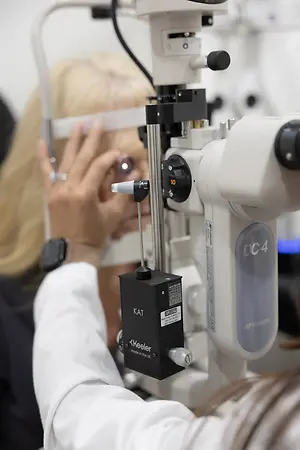
- Tono-Vera® Tonometer for eye pressure testing without the discomfort of an air puff
We combine this technology with consultations that are never rushed, so we have the time and detailed information needed to assess your eyes thoroughly. This allows us to detect subtle changes early, monitor your eye health over time, and provide more accurate, personalized care for the best possible results.
Who Should Get Regular Eye Exams?
Comprehensive eye exams are important for patients of all ages and stages of life. You may benefit from routine eye care if you:
-
Have noticed changes in your vision
-
Experience eye strain, dryness, or discomfort
-
Wear glasses or contact lenses
-
Have a family history of eye disease
-
Are managing health conditions such as diabetes
-
Want to maintain long-term eye health through preventive care
Schedule Your Comprehensive Eye Exam
Taking care of your eyes starts with a thorough, personalized exam. At Your Eye Doc, you’ll receive attentive care designed around your needs; not a rushed, one-size-fits-all experience. Schedule your comprehensive eye exam and get the clarity and confidence that comes with truly complete eye care.
Schedule Your Comprehensive Eye Exam
No. A comprehensive eye exam evaluates how clearly and comfortably you see while also assessing your overall eye health. Your optometrist may check your eye pressure, retina, optic nerves, eye coordination, and other areas for signs of glaucoma, retinal conditions, and changes associated with health concerns such as diabetes and high blood pressure.
The retina and its blood vessels can provide valuable information about your eye health and, in some cases, reveal changes associated with broader health conditions. Examining the retina can also help your optometrist identify concerns such as retinal holes, tears, or other abnormalities that may not cause noticeable symptoms in their early stages.
Yes. LASIK reshapes the cornea to correct a refractive error, but it does not prevent glaucoma, retinal conditions, cataracts, or other eye health concerns. People who were highly nearsighted before LASIK may also retain certain retinal risk factors even if they now see well without glasses or contact lenses.
Yes. Seeing the smallest line on an eye chart does not necessarily mean your eyes are working comfortably throughout the day. Focusing difficulties, eye-teaming concerns, dry eye, or an outdated prescription may contribute to headaches, fatigue, or discomfort even when your distance vision appears sharp.
Current research has not shown that blue light from digital screens is a primary cause of digital eye strain, and blue-light filtering lenses have not consistently been shown to relieve these symptoms. Screen breaks, frequent blinking, appropriate lighting, comfortable viewing distances, and an accurate prescription may be more helpful, depending on the cause of your discomfort.